Designing Change
From abstract intentions to concrete everyday actions
Moodle: 8278 Design Project (Laschke), SS2026
There are always reasons to change.
The gap between our ideal self and our actual self motivates us to grow and develop and to pursue personal goals. Some of these goals are personal, like exercising more regularly or developing enriching habits such as reading. Others are societal, such as reducing environmental impact or promoting more sustainable ways of living.
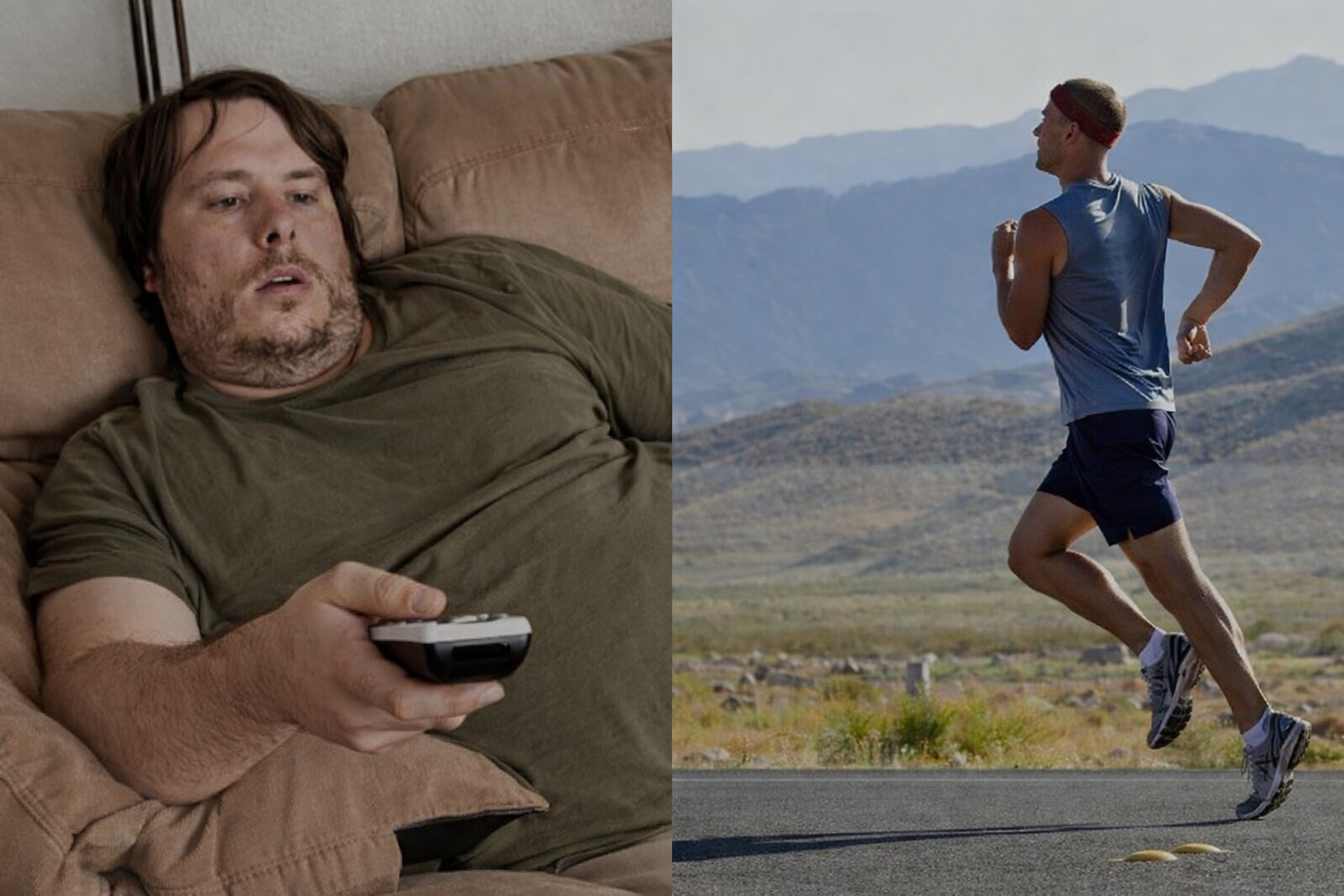
These ambitions require changes in everyday behavior. However, many goals, like improving our education or taking better care of our health, remain abstract. They are rarely translated into concrete daily actions. As a result, the desire to change persists, but without actionable steps, goals can feel distant or even unattainable.
How can Change be Achieved More Effectively?
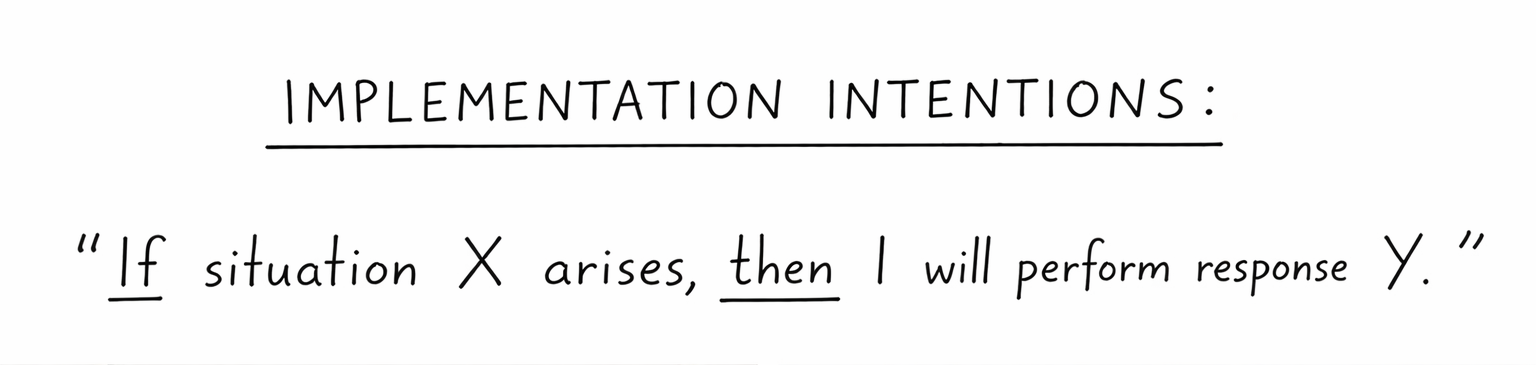
This raises an important question: how can change be achieved more effectively to support both individual and societal goals in the long term? One well-established approach from psychology are implementation intentions, also known as if–then plans. Instead of focusing on an abstract goal, implementation intentions break change down into specific actions tied to specific situations. For example, if the goal is to watch less TV, an if–then plan could be: “Whenever I turn on the TV on Tuesday or Thursday evening, I will read the novel that has been on my bedside table for weeks.”
Simple as it sounds, this is a scientifically validated strategy. Yet many people are unfamiliar with it, and even when they are, creating and remembering these plans at the right moment can be challenging.
We will design artifacts that help to apply ‘if–then plans’.
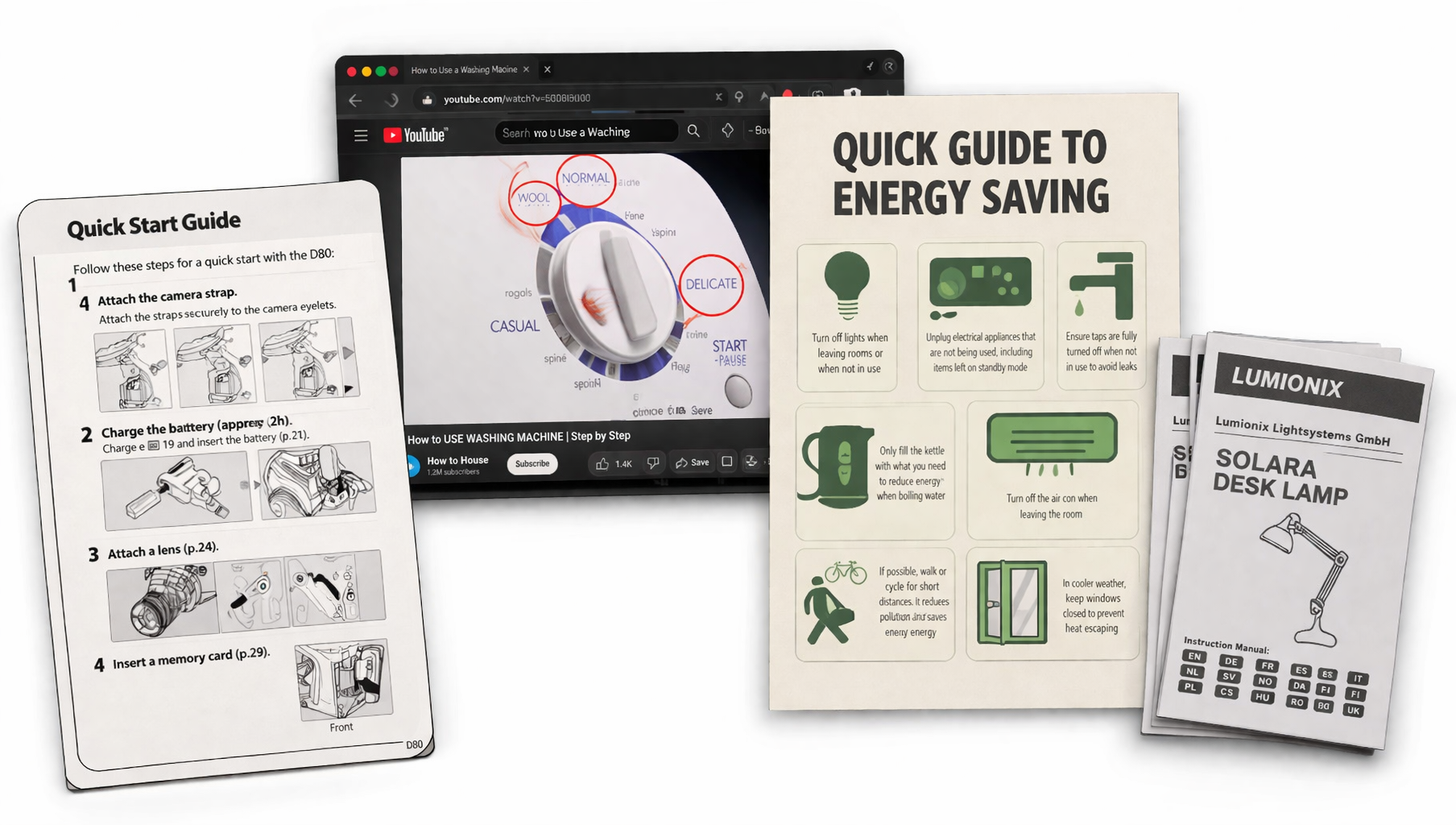
This is where our course begins. We will design artifacts that help people understand and apply if–then plans, whether as a quick-start guide, an instruction manual, a small book, a poster, or a video. The goal is to make the concept accessible and actionable in everyday life.

How can technology trigger ‘if-then’ plans?
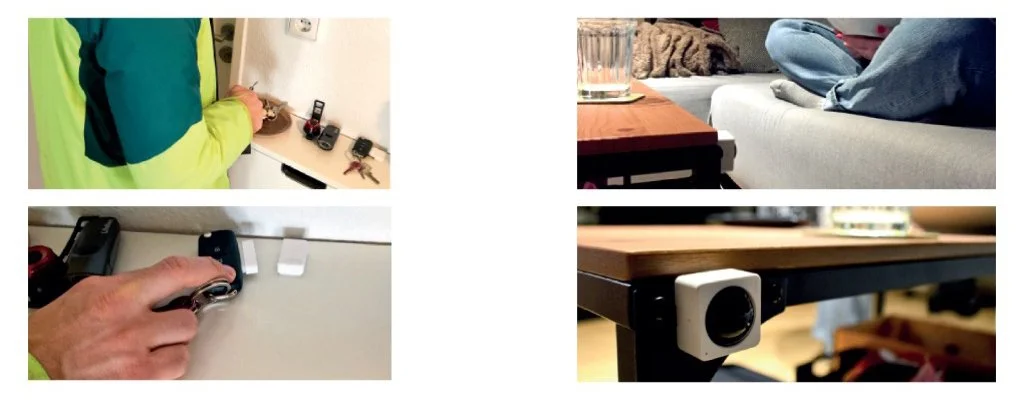
In addition, we will support the “if”, the moment of action, using technology. With smart switches and intelligent cameras that detect movement or faces, we will explore how to prompt and track if–then plans in real-life situations. Don’t worry, I’ve already bought and paid for the cameras and other equipment. You can just use them during the course.
Finally, we will test our designs with real people.
Finally, we will test our designs with real people. Each group will work with a participant, perhaps a classmate or someone from your personal network, who has a goal they want to pursue. They will use your designed artifacts in combination with the sensing technology, and we will investigate whether and how their behavior changes. Through interviews, we will explore how the process of change felt and what role your designs played.